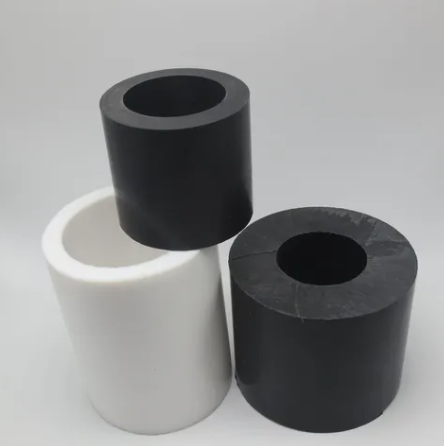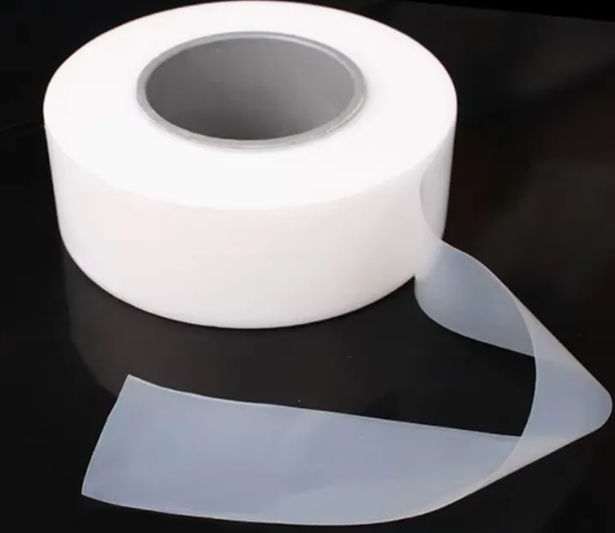
Polytetrafluoroethylene (PTFE) packing has established itself as a gold standard in industrial sealing solutions, celebrated for its exceptional chemical inertness, low friction, and durability across the most demanding operational environments.
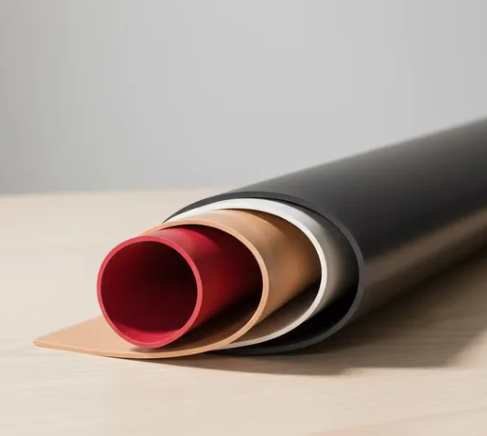
Polytetrafluoroethylene (PTFE) sheet has established itself as an indispensable innovation in contemporary manufacturing, boasting an unparalleled combination of extreme performance, chemical inertness, and long-term reliability. Derived from high-purity PTFE resin, this advanced material is revolutionizing industries ranging from aerospace and electronics to chemical processing and medical technology. Its unique suite of properties—including near-absolute non-stick characteristics, exceptional temperature resistance, and superior mechanical stability—positions it as a leading solution for the most demanding industrial applications worldwide.
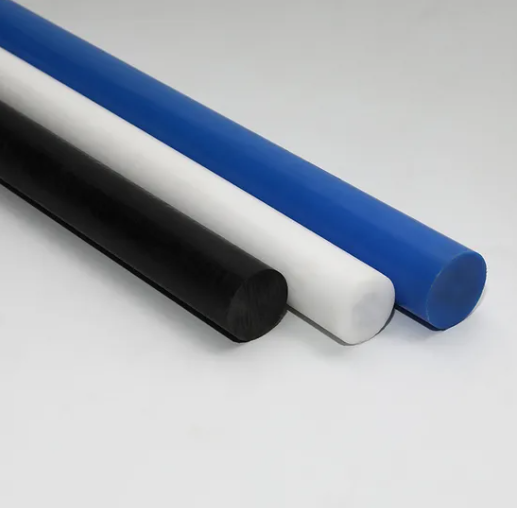
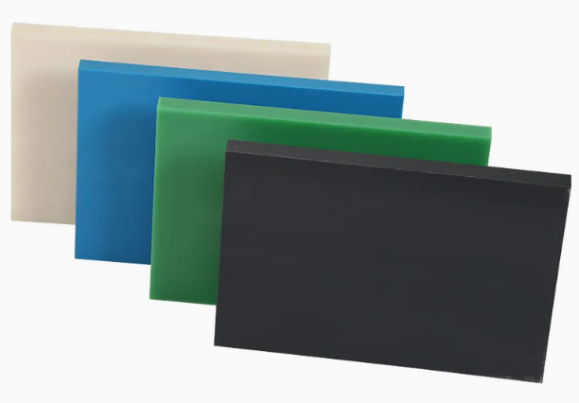
PVC rods (polyvinyl chloride rods) are a cost-effective, general-purpose engineering plastic rod material, renowned for their excellent corrosion resistance, high mechanical strength, chemical stability, and good electrical insulation. They are typically water-gray or white, self-extinguishing (flame-retardant), and their operating temperature is generally between 0°C and +70°C. PVC rods are easy to process, weld, and bond, and are widely used in chemical, environmental protection, machinery, electronics, and medical equipment industries.
In critical industrial applications where leakage risks are catastrophic, Ring Joint Gaskets (RTJ) stand as the gold standard for high-pressure, high-temperature sealing. Engineered for API flanges and extreme service conditions, this metal gasket technology dominates oil & gas, power generation, and petrochemical sectors, delivering unmatched reliability for mission-critical fluid handling systems.
In an era of extreme performance demands, silicone rubber has become a cornerstone material driving advancements in automotive, medical, electronics, and industrial sectors. Valued at $7.68 billion globally in 2024 with a projected 7.8% CAGR through 2032, this synthetic elastomer’s unique blend of temperature resilience, chemical stability, and biocompatibility makes it irreplaceable for mission-critical applications.