

PVC rods (polyvinyl chloride rods) are a cost-effective, general-purpose engineering plastic rod material, renowned for their excellent corrosion resistance, high mechanical strength, chemical stability, and good electrical insulation. They are typically water-gray or white, self-extinguishing (flame-retardant), and their operating temperature is generally between 0°C and +70°C. PVC rods are easy to process, weld, and bond, and are widely used in chemical, environmental protection, machinery, electronics, and medical equipment industries.
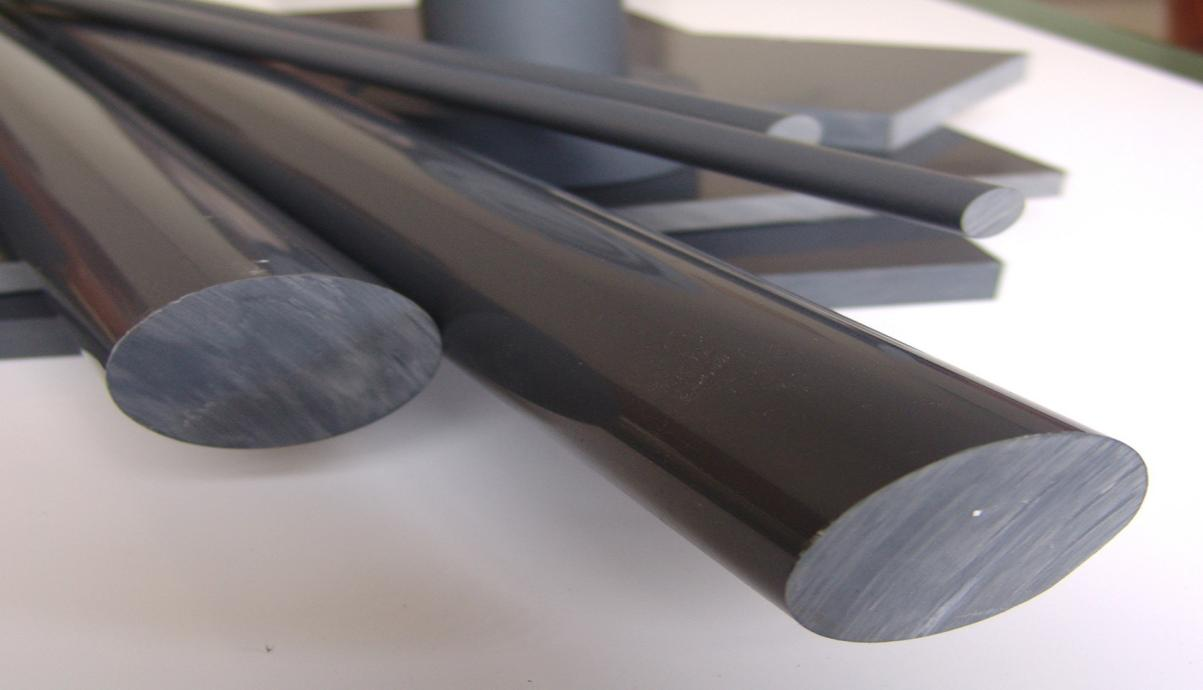
The core competitiveness of PVC rods stems from their excellent mechanical and structural properties. Their tensile strength reaches 45-60 MPa, and their flexural modulus is stable at 2500-3000 MPa, exhibiting excellent impact and compressive strength, making them resistant to deformation or breakage during long-term use. Even under complex working conditions, such as heavy equipment support and precision instrument frames, they maintain reliable structural stability. Simultaneously, their density is only 1.38-1.45 g/cm³, making them lighter than metal materials. This not only reduces the overall weight of the final product but also saves significant manpower and material costs in transportation and installation, demonstrating a significant advantage in lightweight engineering applications.
Superior chemical resistance is another key attribute that sets PVC rod apart. It demonstrates strong inertness to various chemical media such as acids, alkalis, salt solutions, and organic solvents, retaining stable performance in harsh chemical environments without corrosion, swelling, or aging. This property makes it widely used in the chemical industry, including chemical pipeline fittings, reactor liners, and acid-alkali solution storage equipment components. In water treatment, valves and flanges made from PVC rod effectively resist erosion from impurities in water, extending equipment service life. Additionally, food-grade PVC rod has passed strict safety certifications, enabling its use in critical components of food processing equipment to ensure production safety.
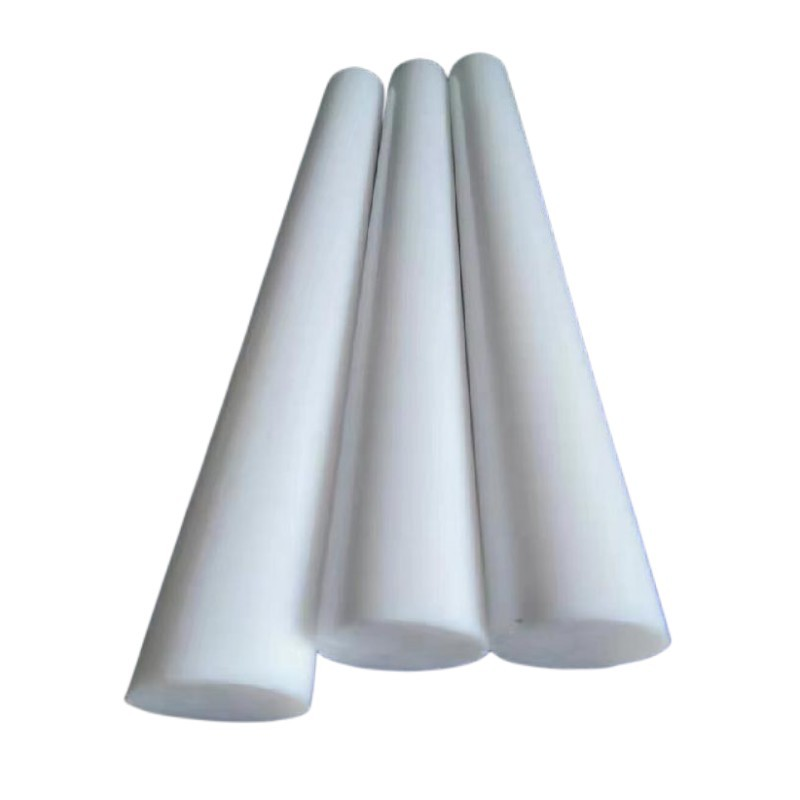
From insulation brackets for precision electronic equipment to water supply and drainage fittings in large buildings, and from disposable medical supplies to corrosion-resistant components in the chemical sector, PVC rod plays an indispensable role in various industries with its reliable performance, flexible processability, and cost-effectiveness. As industrial manufacturing shifts toward efficiency, environmental friendliness, and low costs, PVC rod will continue to optimize performance through technological innovation and expand into more application scenarios. In the future, this versatile engineering material is poised to shine in more emerging fields, injecting sustained momentum into global industrial upgrading and industrial innovation.