

Polytetrafluoroethylene (PTFE) sheet has established itself as an indispensable innovation in contemporary manufacturing, boasting an unparalleled combination of extreme performance, chemical inertness, and long-term reliability. Derived from high-purity PTFE resin, this advanced material is revolutionizing industries ranging from aerospace and electronics to chemical processing and medical technology. Its unique suite of properties—including near-absolute non-stick characteristics, exceptional temperature resistance, and superior mechanical stability—positions it as a leading solution for the most demanding industrial applications worldwide.
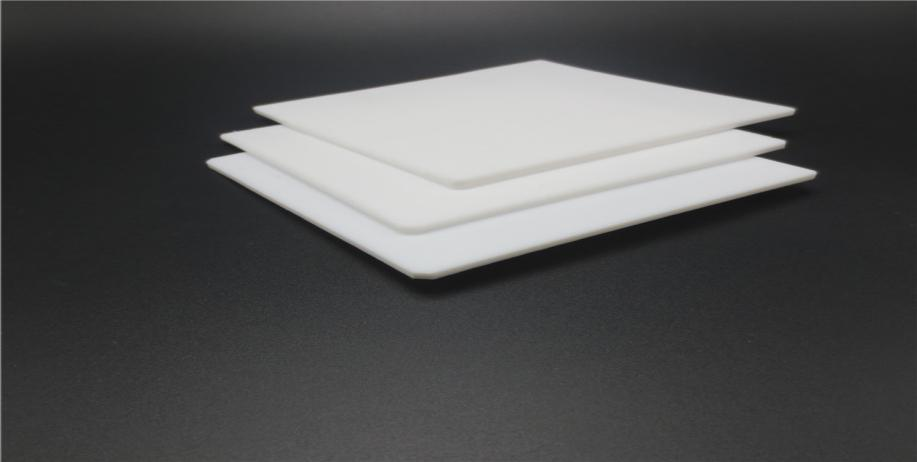
A defining strength of PTFE sheet is its extraordinary thermal resilience. Unlike conventional materials, it maintains structural integrity across an astonishing temperature range of -200°C to +260°C, with short-term tolerance for peaks up to 300°C. This capability makes it indispensable in high-heat environments such as aerospace engine components, industrial furnace linings, and electronic device heat sinks, where other materials would degrade or fail. Additionally, its friction coefficient (as low as 0.04) delivers unmatched non-stick performance, eliminating adhesion issues in critical applications like food processing equipment, pharmaceutical manufacturing tools, and industrial conveyor systems.
Chemical resistance is another hallmark of PTFE sheet. It exhibits complete inertness to nearly all chemicals, including strong acids, alkalis, solvents, and corrosive gases—even in harsh, long-term exposure. This property has made it the material of choice for chemical processing plants, where it lines storage tanks, pipes, and reaction vessels to prevent corrosion and contamination. In medical settings, its biocompatibility and chemical stability ensure safe use in surgical instruments, implantable devices, and laboratory equipment, meeting the strictest regulatory standards.
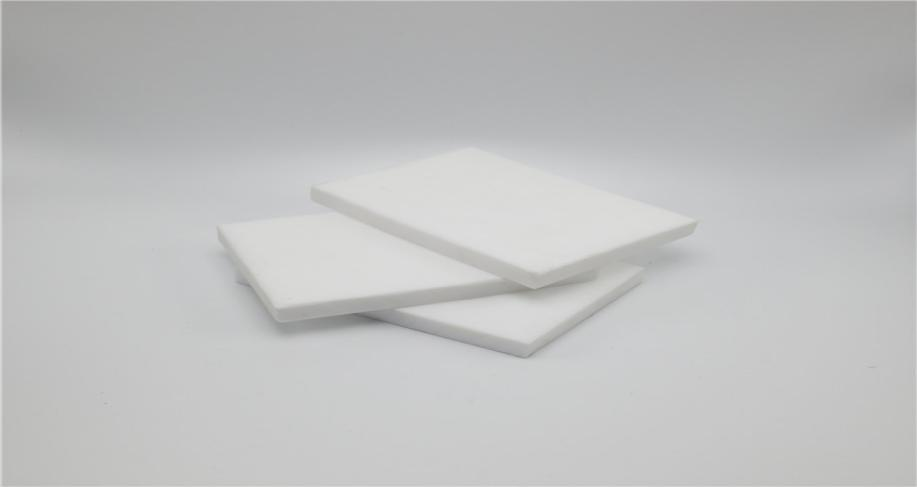
Beyond its extreme performance, PTFE sheet offers practical fabrication advantages. Available in various thicknesses and sizes, it can be easily cut, punched, machined, and welded to fit custom design requirements. Its dimensional stability under varying temperatures and pressures minimizes deformation, ensuring consistent performance in precision applications. Furthermore, its resistance to UV radiation, weathering, and aging extends service life, reducing maintenance costs and operational downtime for end-users.
In conclusion, PTFE sheet’s unrivaled blend of thermal endurance, chemical inertness, and mechanical reliability has solidified its status as a cornerstone of high-performance manufacturing. From critical aerospace components to life-saving medical devices, its ability to excel in extreme conditions while delivering cost-efficiency drives its growing adoption across industries. As technological demands become more stringent, PTFE sheet remains at the forefront of material innovation, poised to address future challenges and unlock new possibilities in engineering and design.