

Graphite packing has emerged as an indispensable component in industrial operations worldwide, celebrated for its exceptional sealing performance, durability, and adaptability across extreme working conditions. Composed of high-purity graphite fibers—often reinforced with materials like carbon, Kevlar, or metallic wires—this specialized sealing material is redefining reliability in sectors such as oil and gas, chemical processing, power generation, and manufacturing. Its unique combination of thermal stability, chemical resistance, and low friction makes it a go-to choice for critical sealing applications, addressing the industry’s demand for leak-proof, long-lasting solutions.
A standout feature of graphite packing is its superior mechanical sealing capability. Engineered to maintain tight seals even under high pressure (up to 35 MPa) and rotational speeds, it effectively prevents leakage of fluids, gases, and steam in pumps, valves, and rotating shafts. Its flexible yet resilient structure conforms to irregular surfaces, ensuring consistent contact and minimizing wear on equipment components. Unlike conventional packing materials, graphite packing exhibits excellent compression recovery, retaining its sealing integrity over extended periods of use and reducing the need for frequent replacements— a key advantage that lowers maintenance costs and operational downtime.
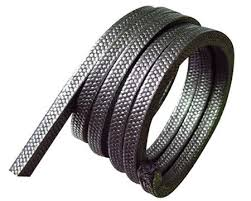
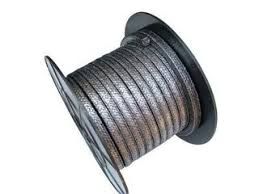
Chemical resistance is another critical strength of graphite packing. It demonstrates remarkable inertness to most acids, alkalis, solvents, and corrosive gases, making it suitable for harsh chemical processing environments. Whether deployed in acid storage tanks, chemical reactors, or offshore oil rigs, graphite packing maintains structural stability without degradation, avoiding contamination of media and ensuring compliance with safety standards. Its resistance to oxidation at high temperatures further expands its utility in extreme industrial settings.
Thermal adaptability sets graphite packing apart from alternative sealing materials. It operates reliably across an ultra-wide temperature range from -200°C to +600°C (and up to 800°C in inert atmospheres), thriving in both cryogenic applications and high-heat processes like steam turbines and furnace valves. Unlike organic-based packings that decompose or harden under extreme temperatures, graphite packing retains its flexibility and sealing performance, ensuring consistent operation in the most demanding thermal conditions.
Ease of installation and versatility further drive its widespread adoption. Available in various braids, densities, and cross-sections, graphite packing can be tailored to fit specific equipment requirements, from small valves to large industrial pumps. Its compatibility with different media—including water, oil, chemicals, and steam—eliminates the need for multiple sealing solutions, simplifying inventory management. Additionally, its low friction coefficient reduces energy consumption by minimizing drag on rotating parts, contributing to overall operational efficiency.
In conclusion, graphite packing’s unbeatable combination of sealing reliability, chemical resilience, thermal stability, and versatility cements its role as a cornerstone of industrial operations. As industries strive for enhanced safety, efficiency, and sustainability, this unsung hero continues to deliver consistent performance in critical applications. With ongoing innovations in material engineering, graphite packing is poised to meet evolving industrial demands, remaining an essential solution for leak-proof, durable sealing for years to come.